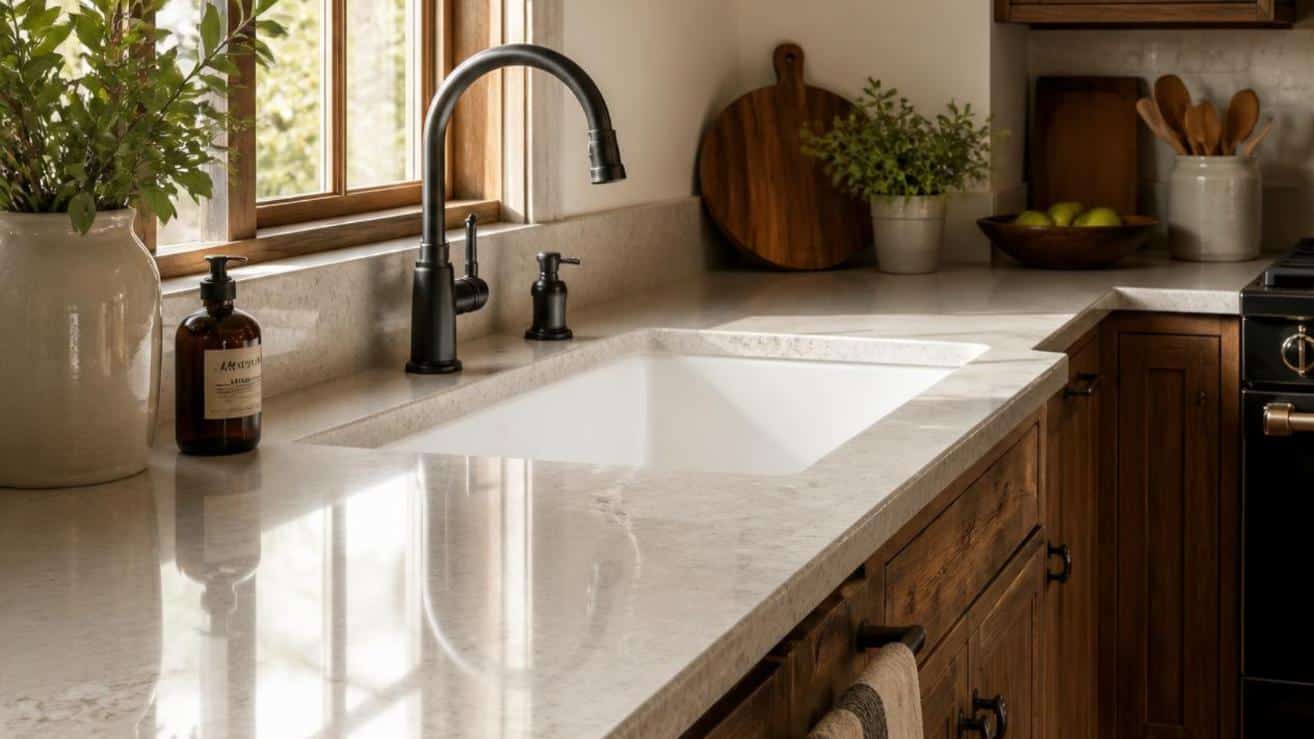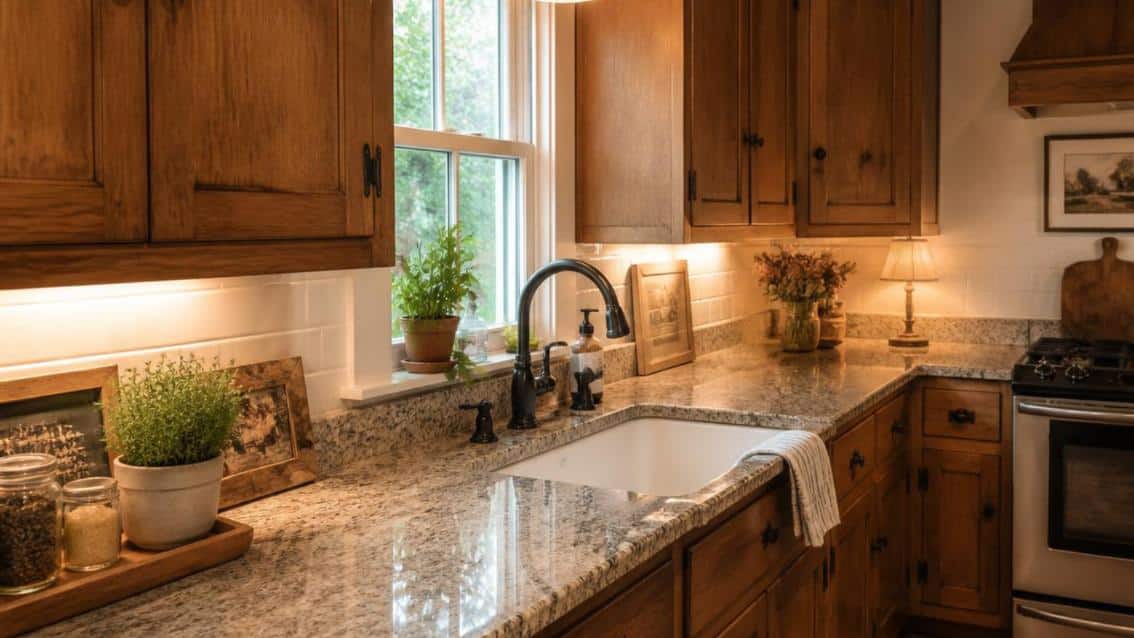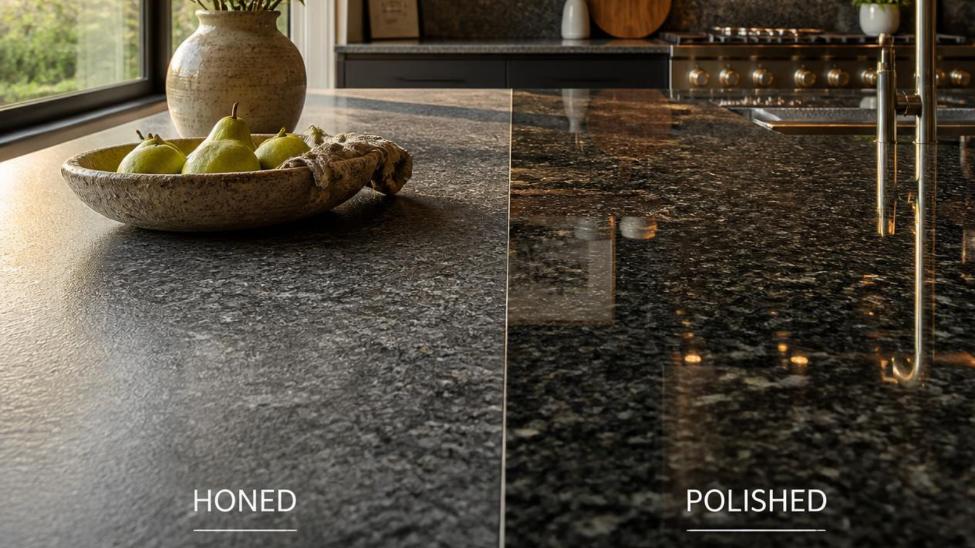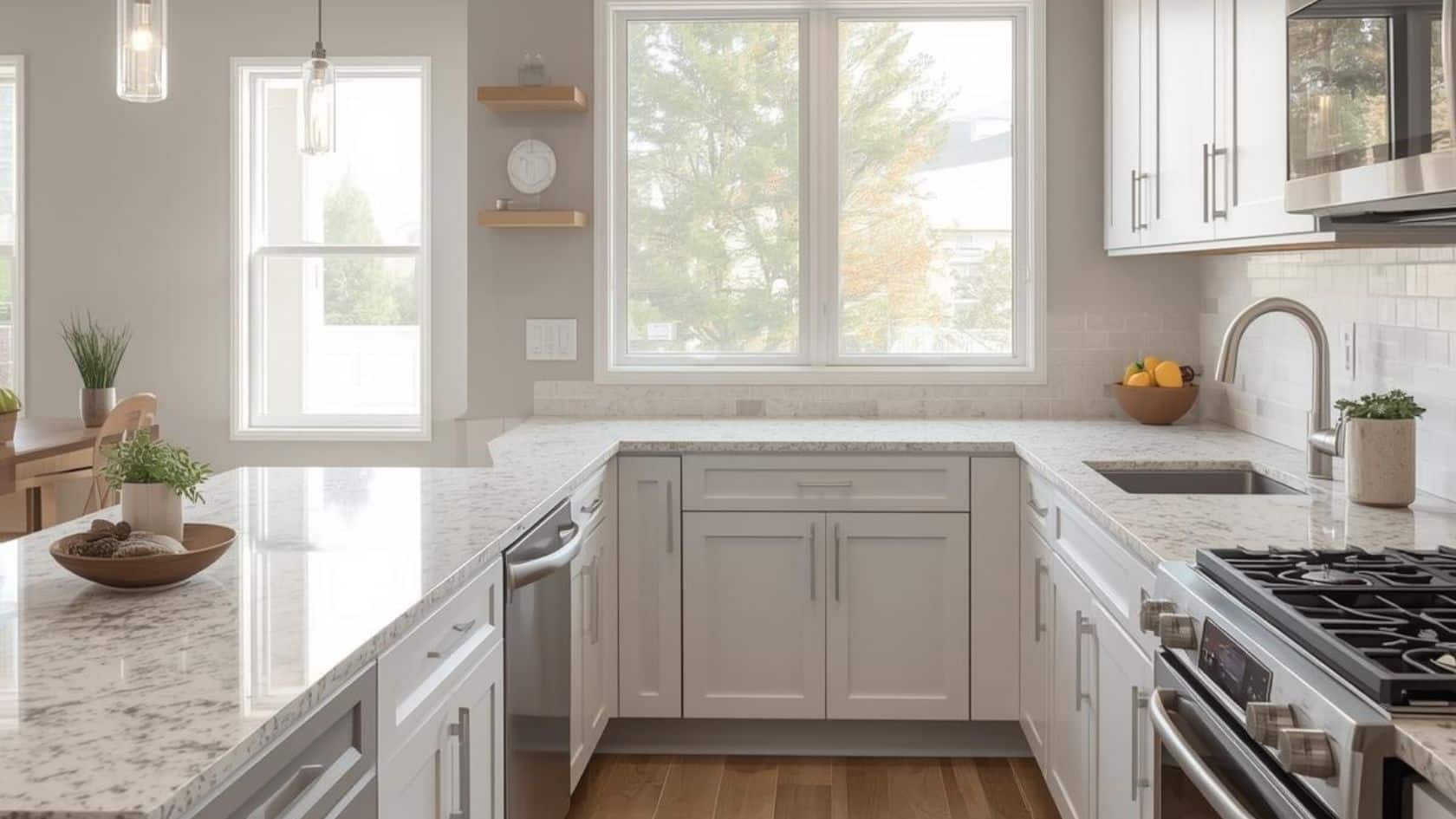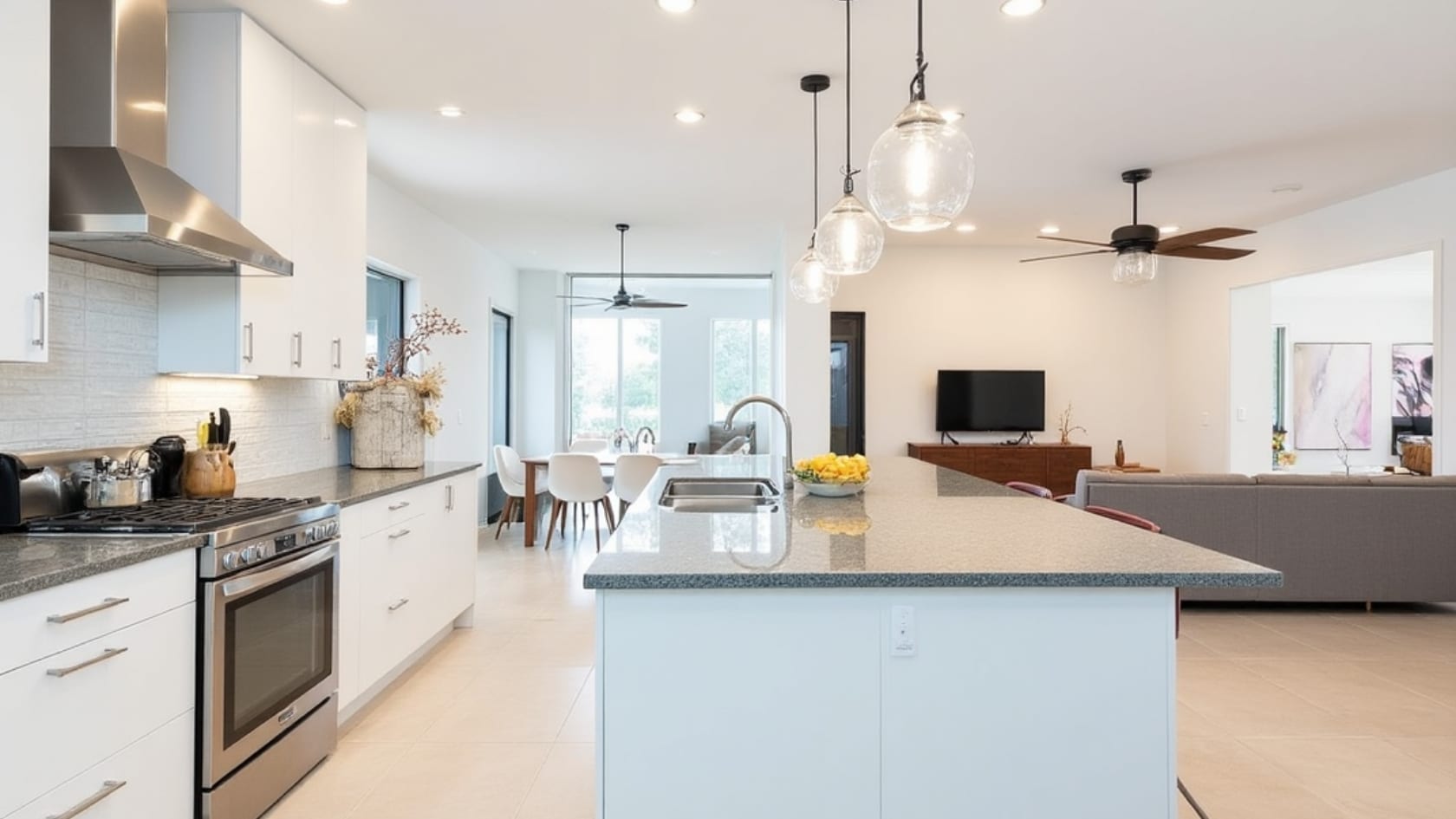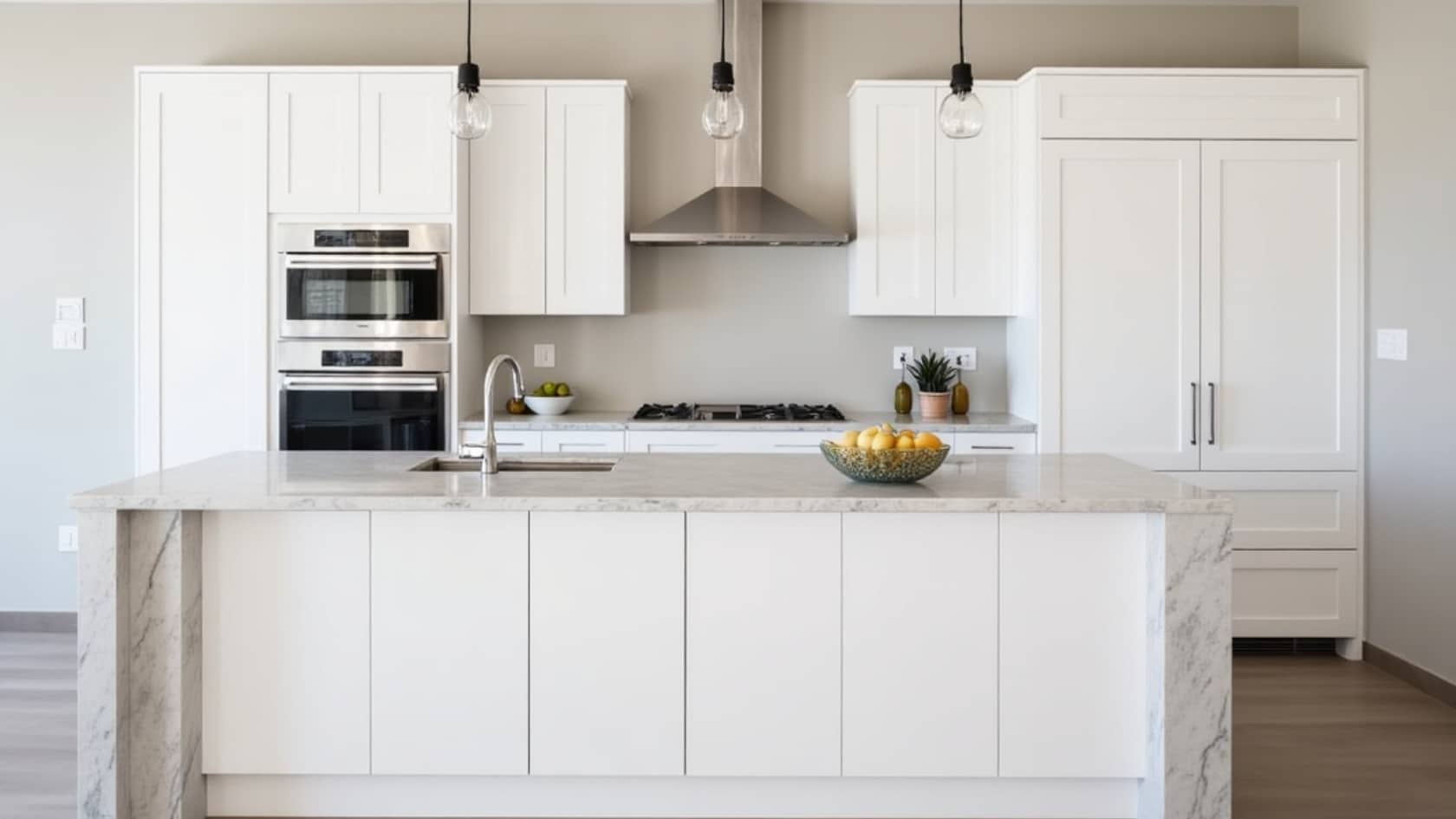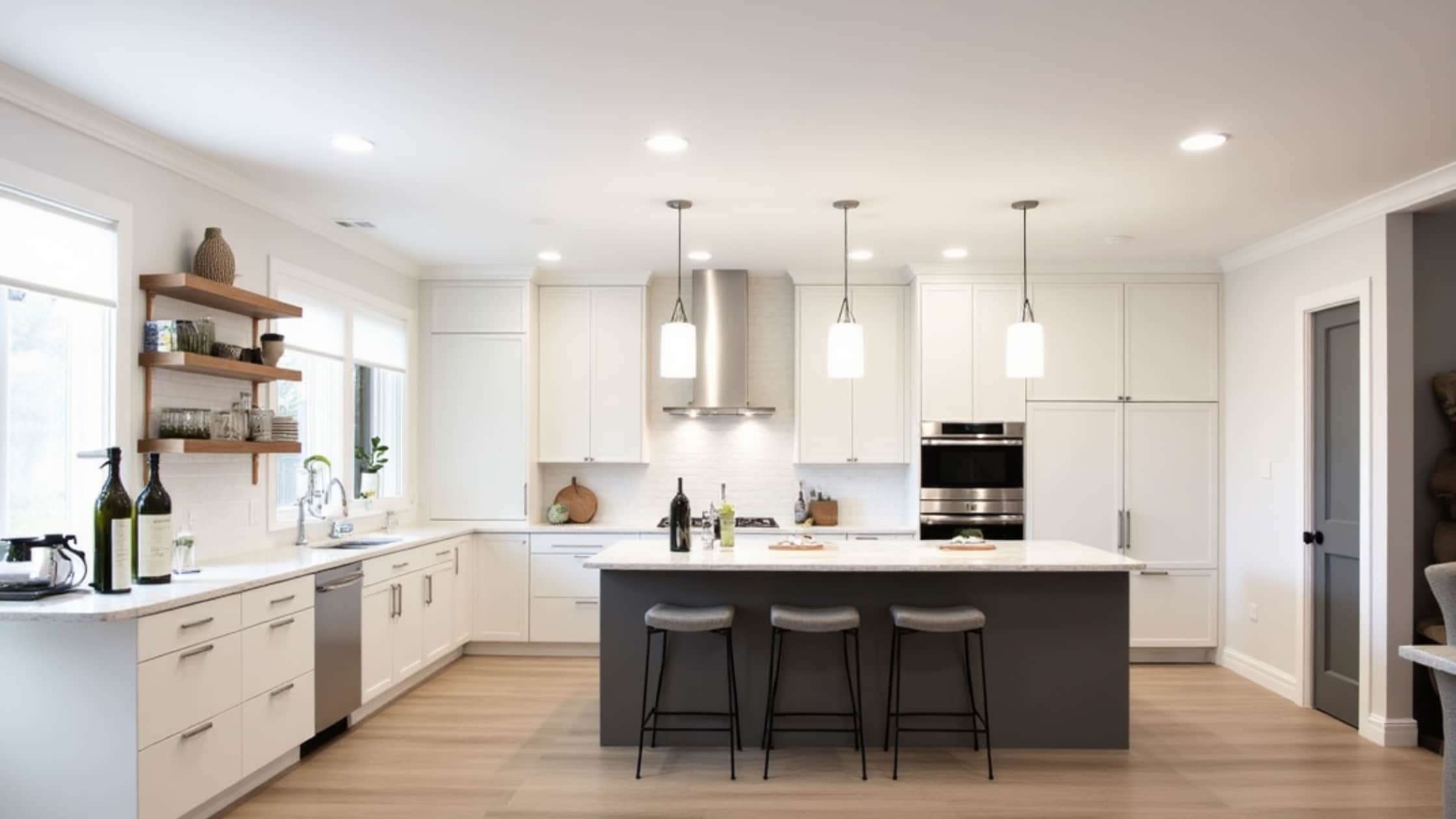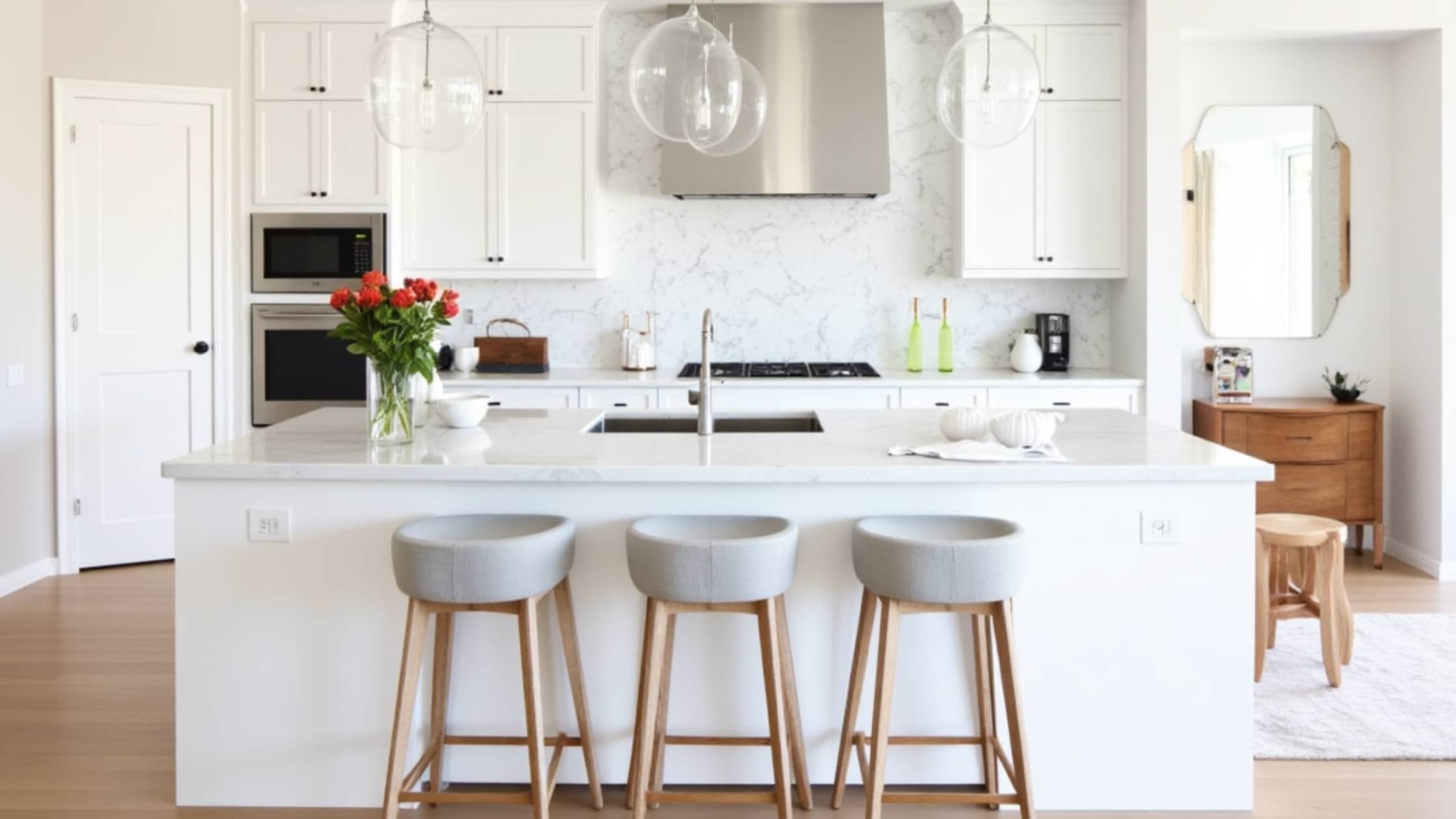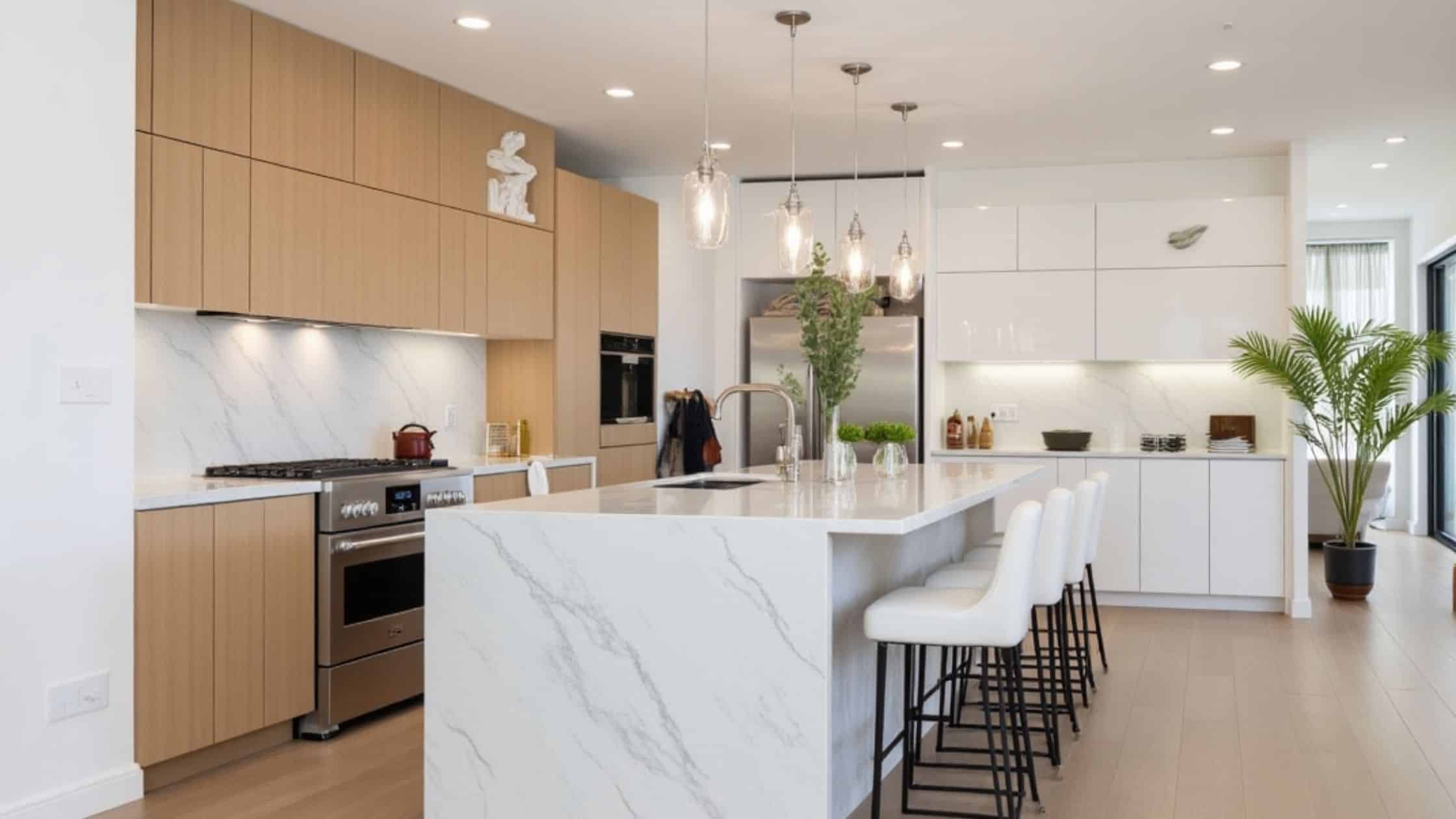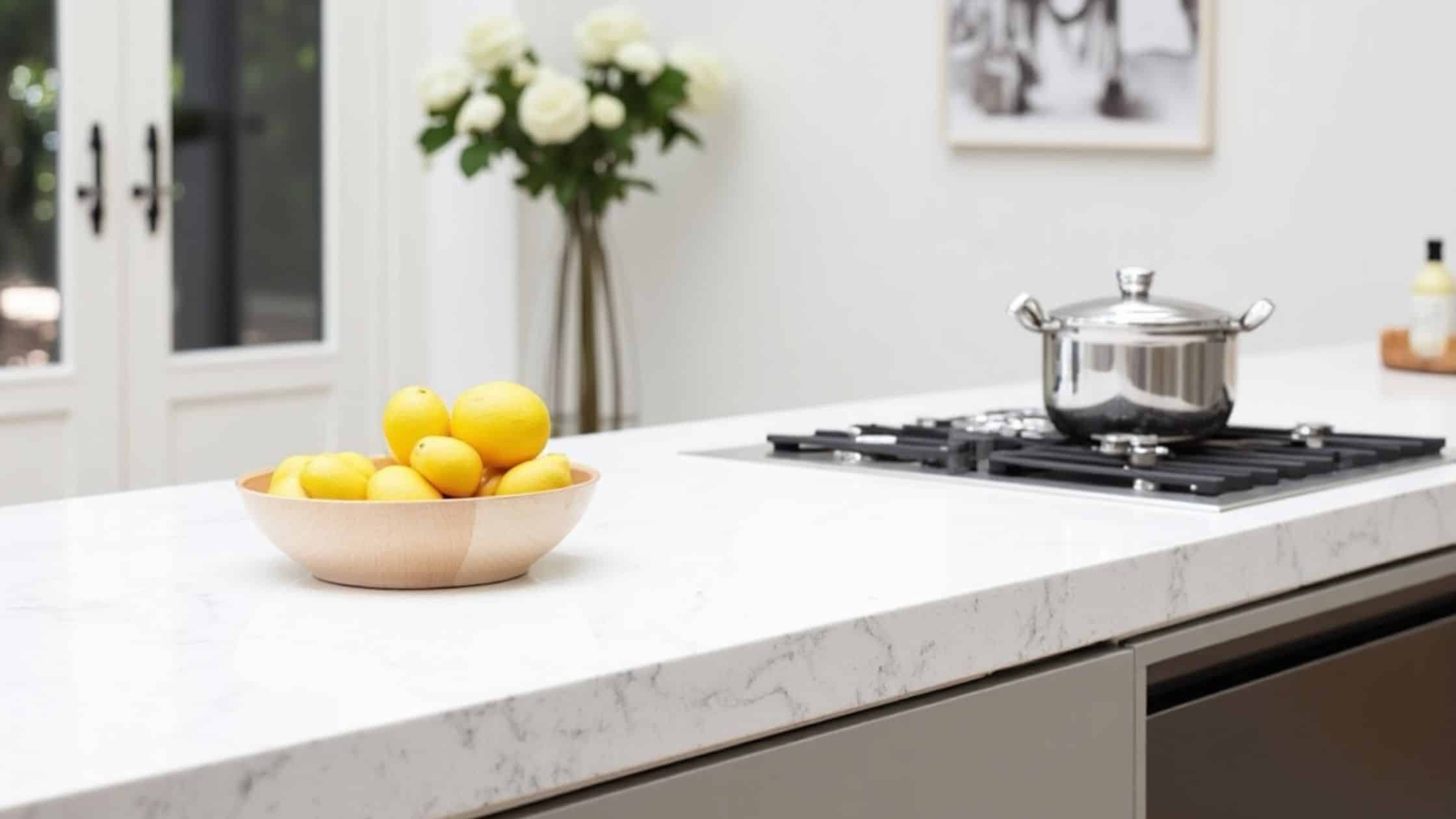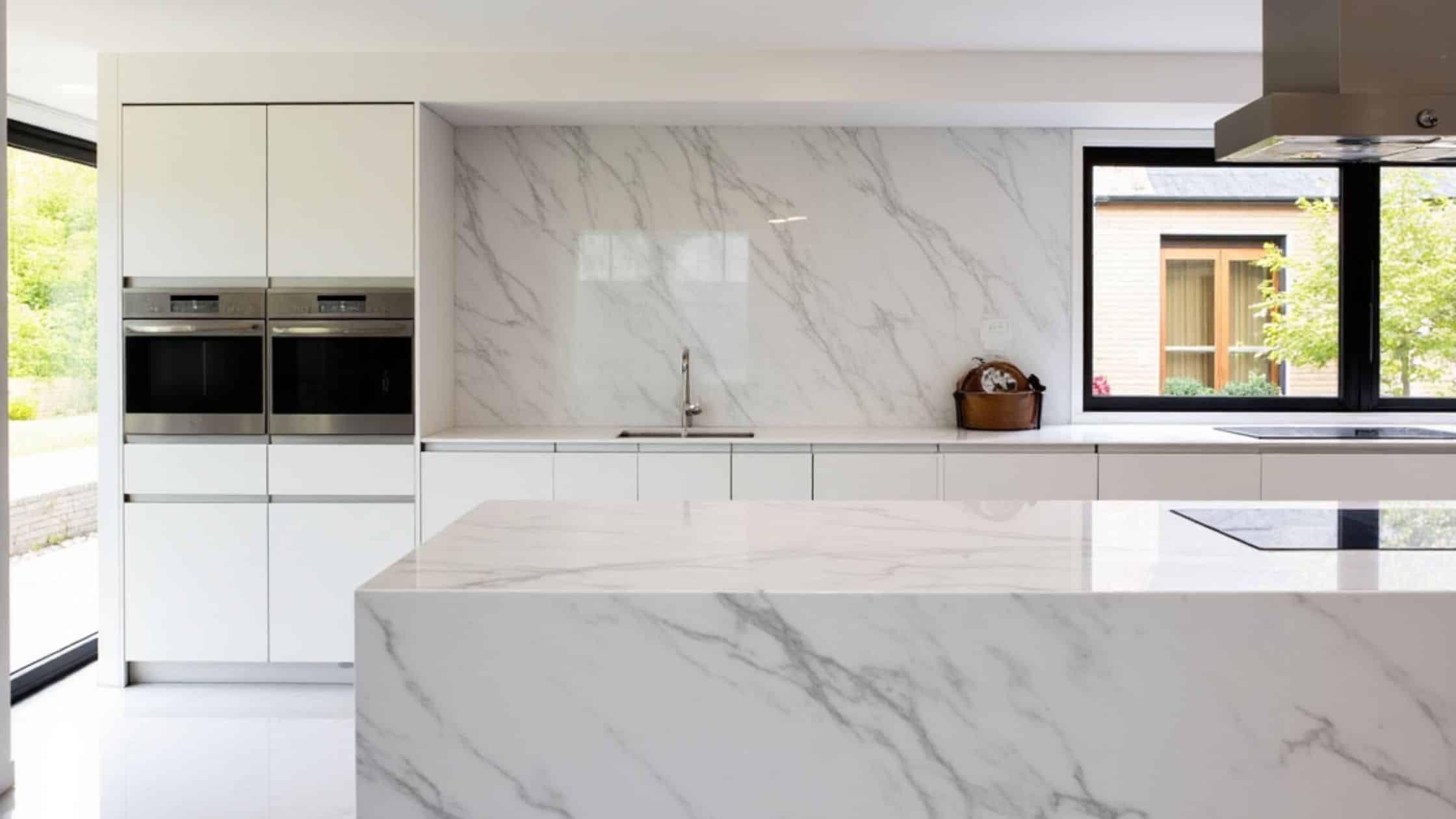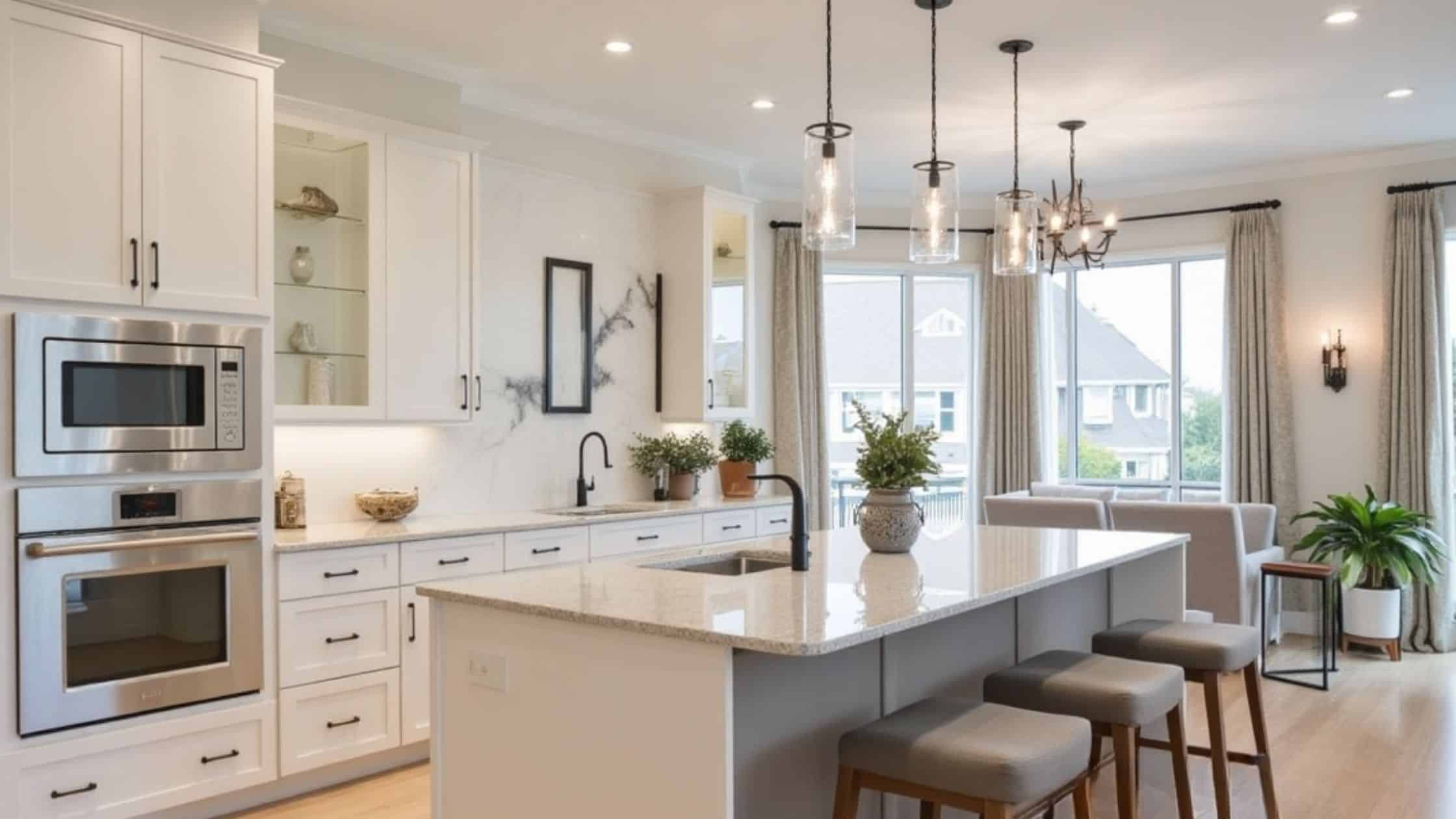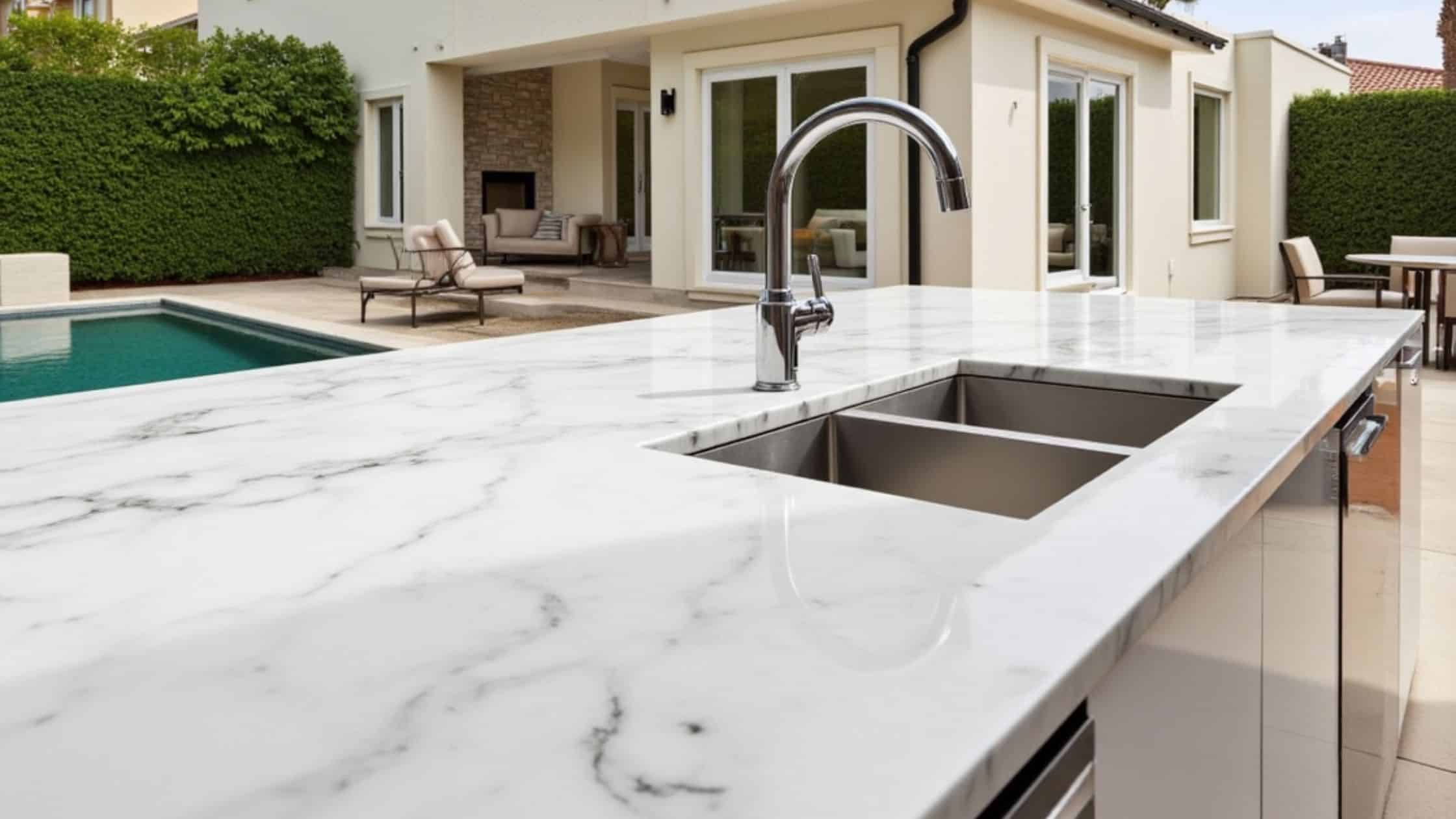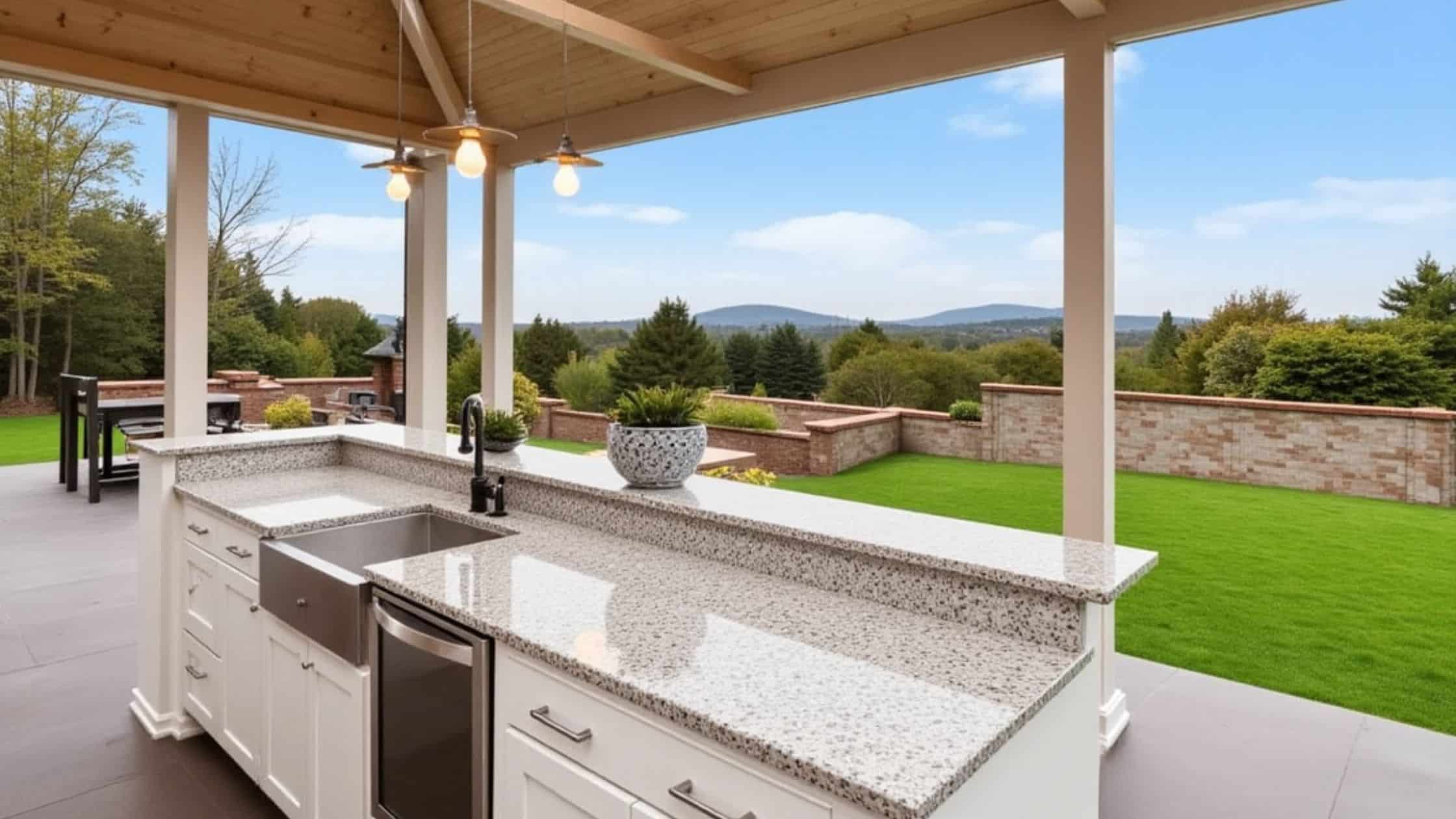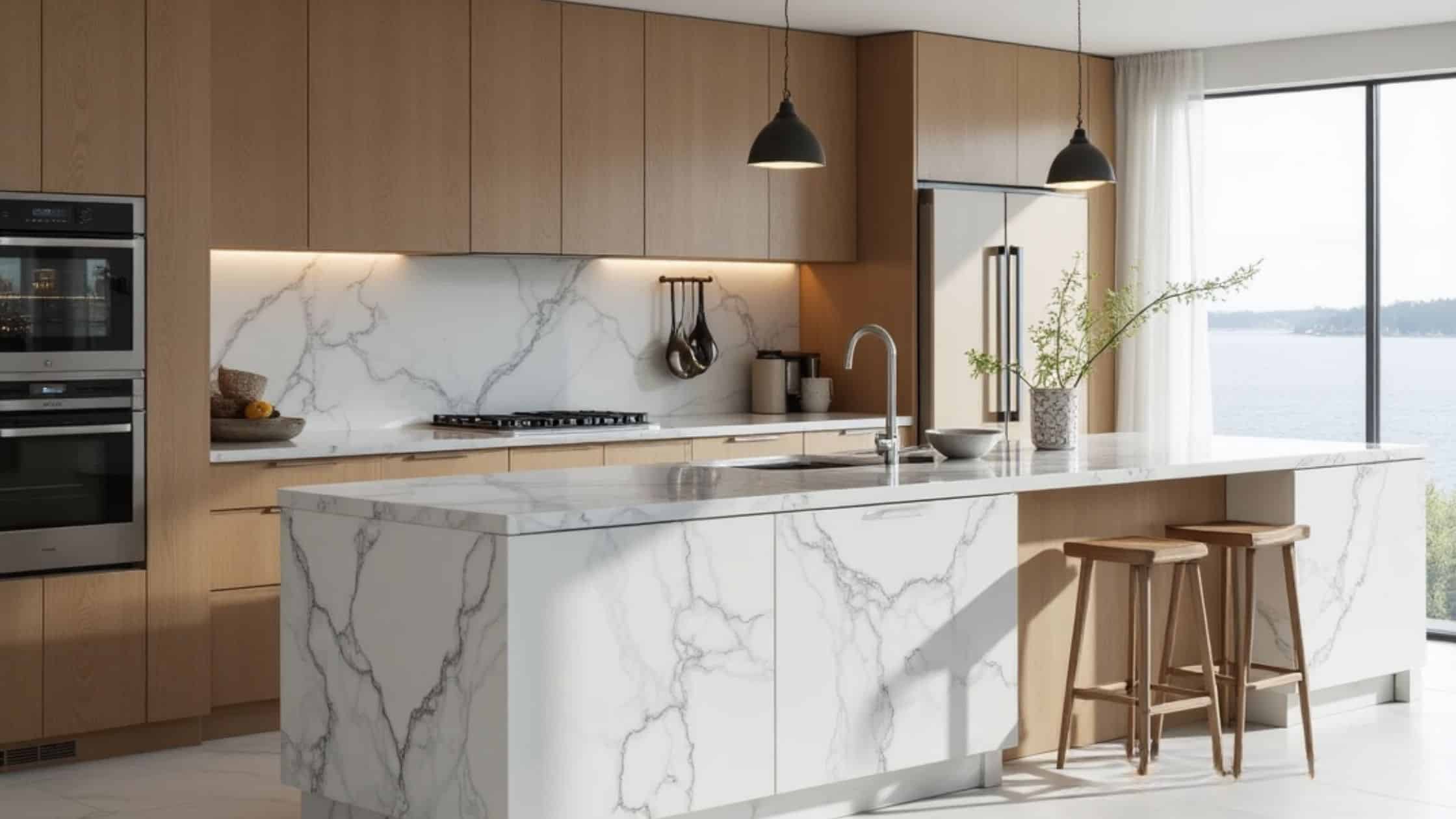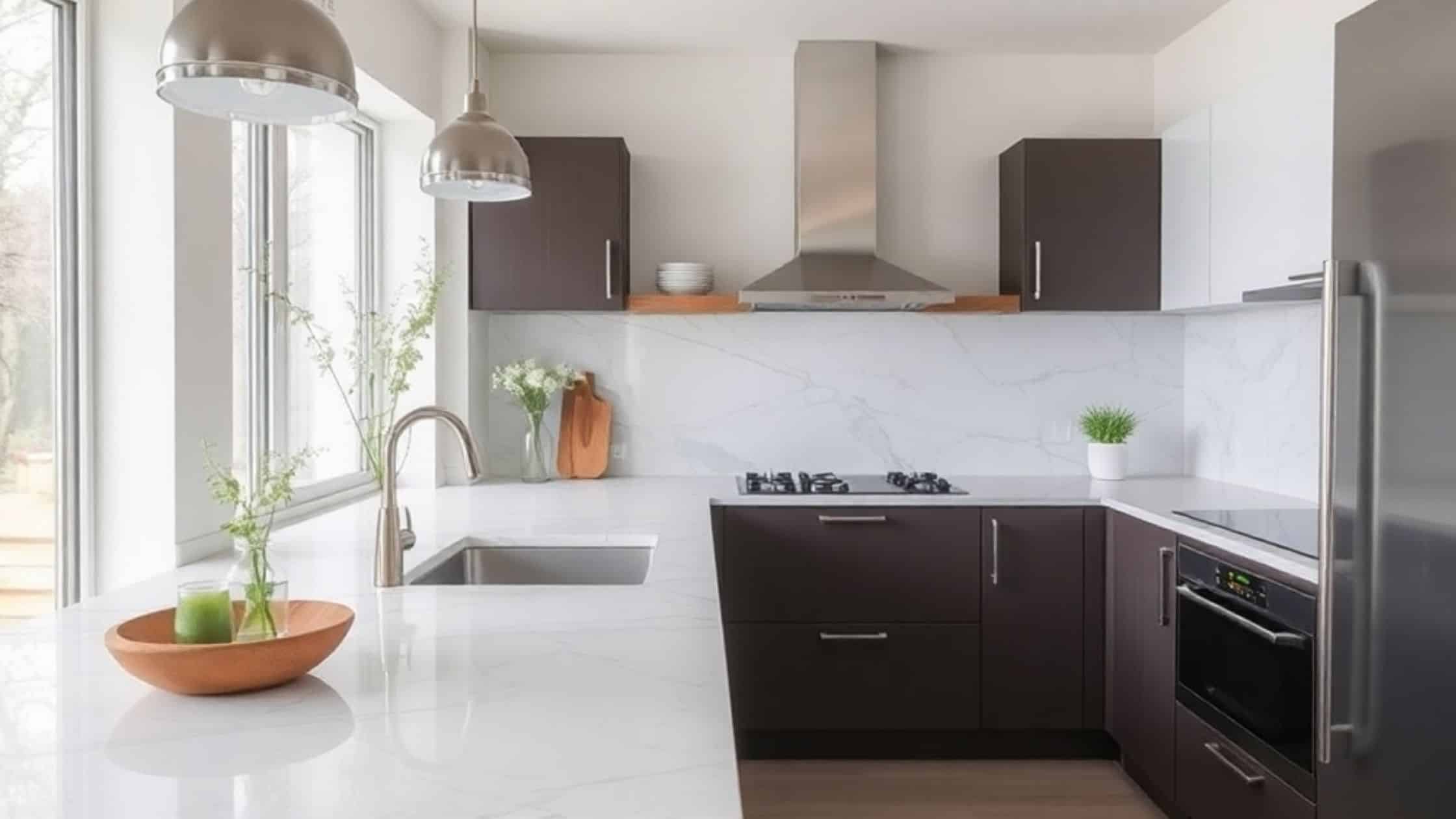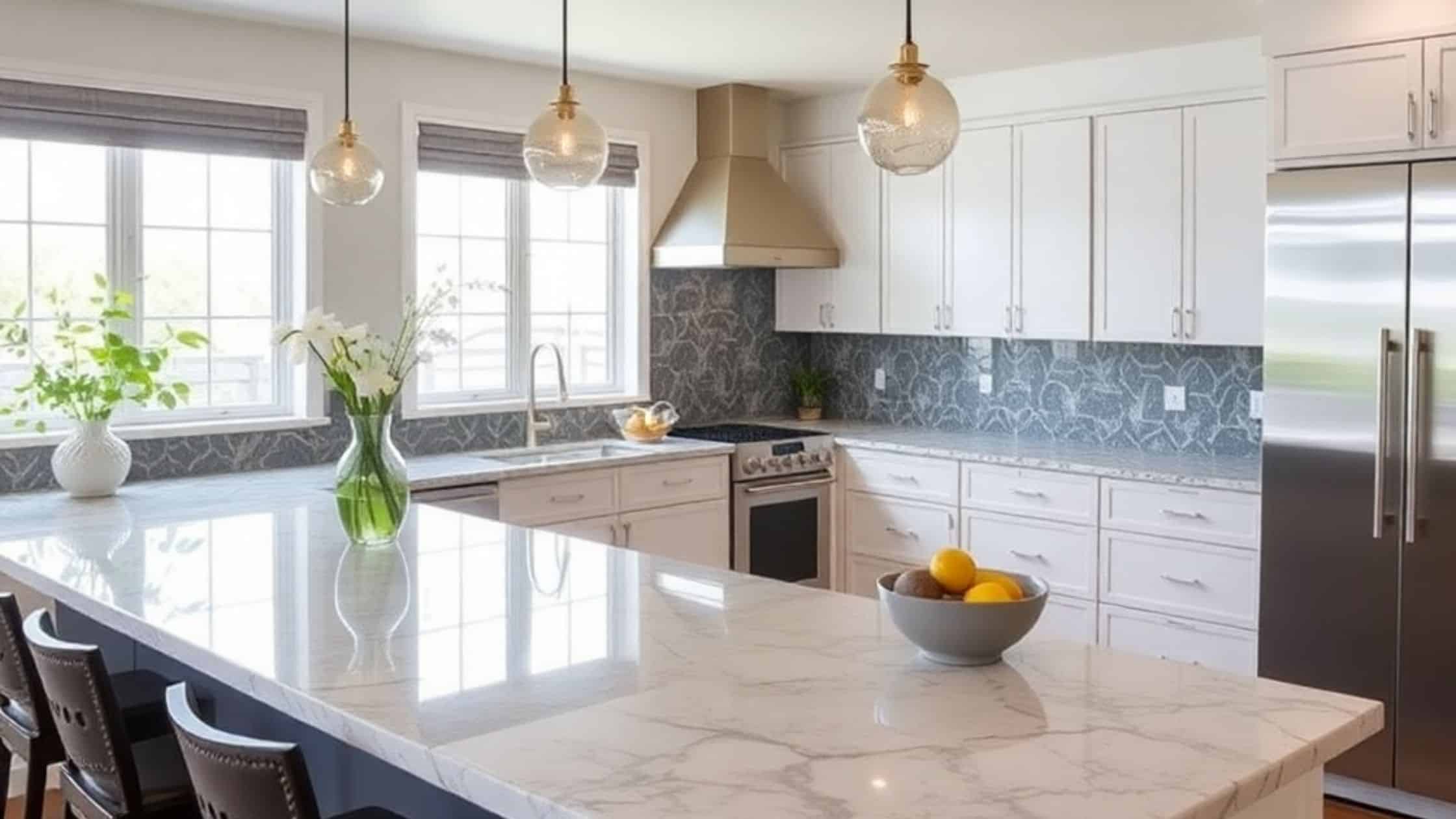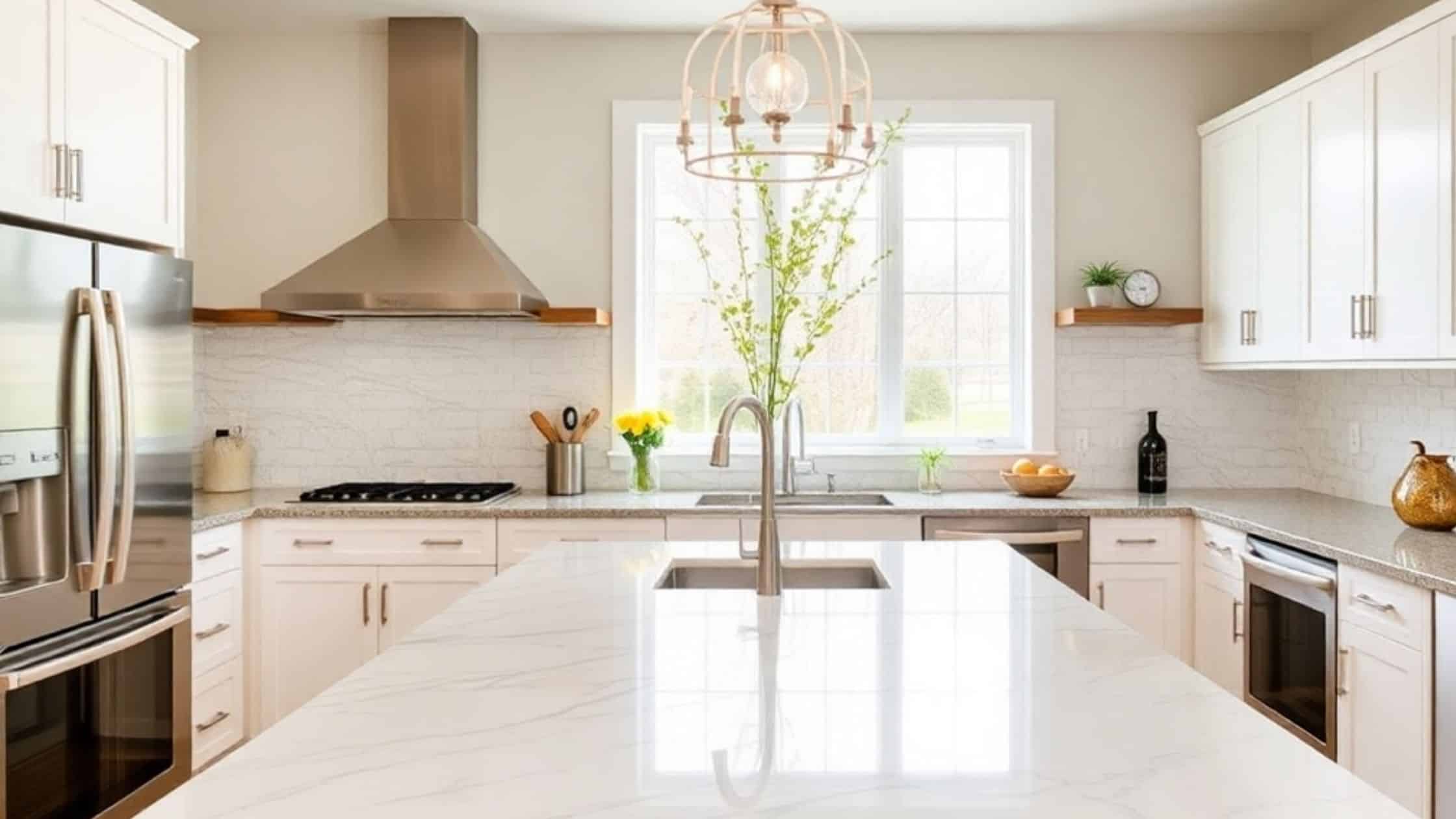

Granite is a natural stone that has been used in Wisconsin kitchens for decades for good reason: it handles heat, develops genuine character over time, and holds up to the demands of an active Midwest household. The one ongoing maintenance task it requires is periodic sealing. In New Berlin’s climate, where outdoor granite faces significant freeze-thaw cycling and indoor surfaces near sinks and windows experience seasonal humidity changes, staying on top of this routine is more important than in more temperate markets. This guide from Granite Plus explains exactly how often to seal your granite in New Berlin, how to test whether your current sealer is still doing its job, and how to complete the process correctly yourself.
Why Granite Needs Sealing When Quartz Does Not
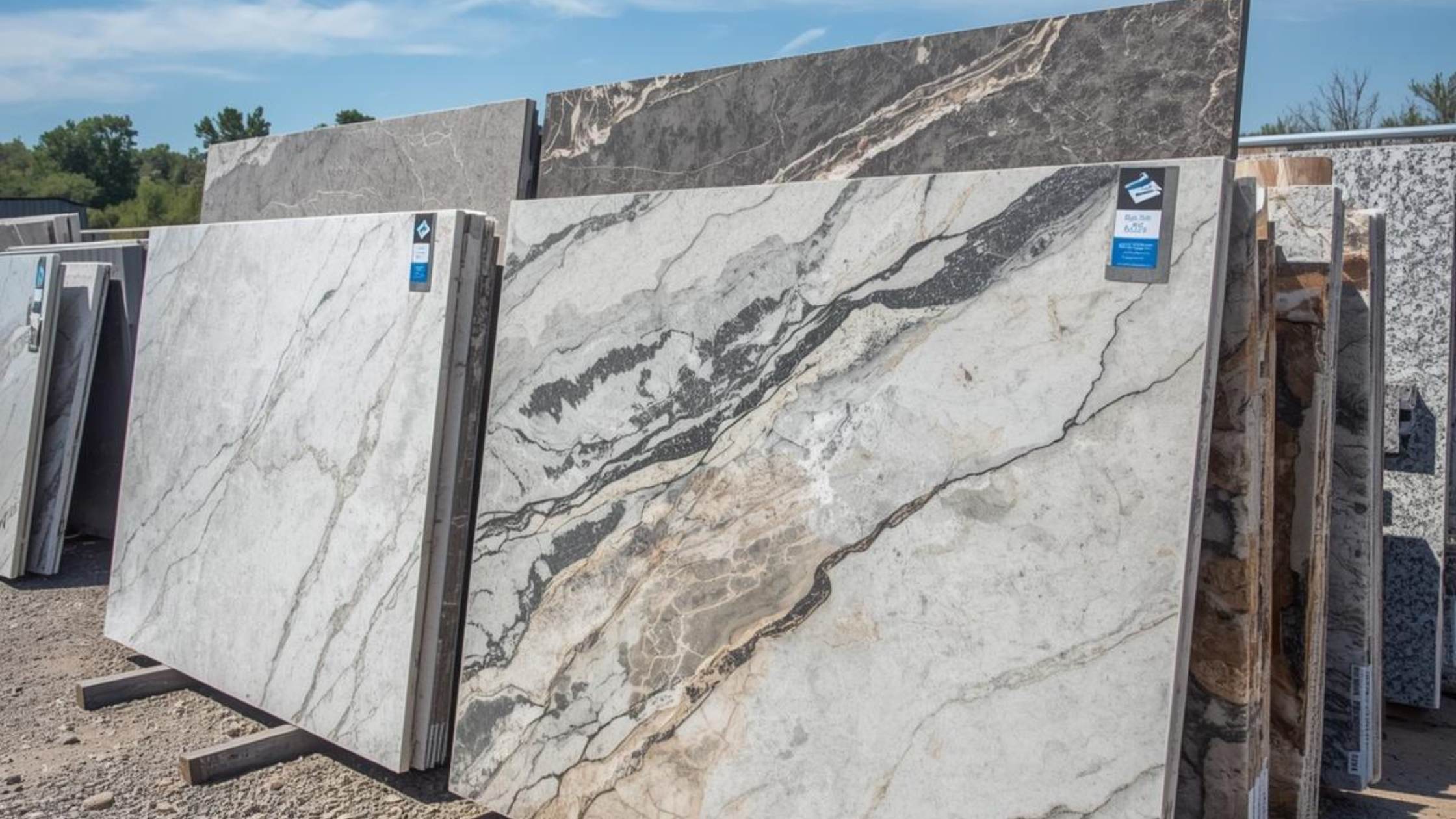
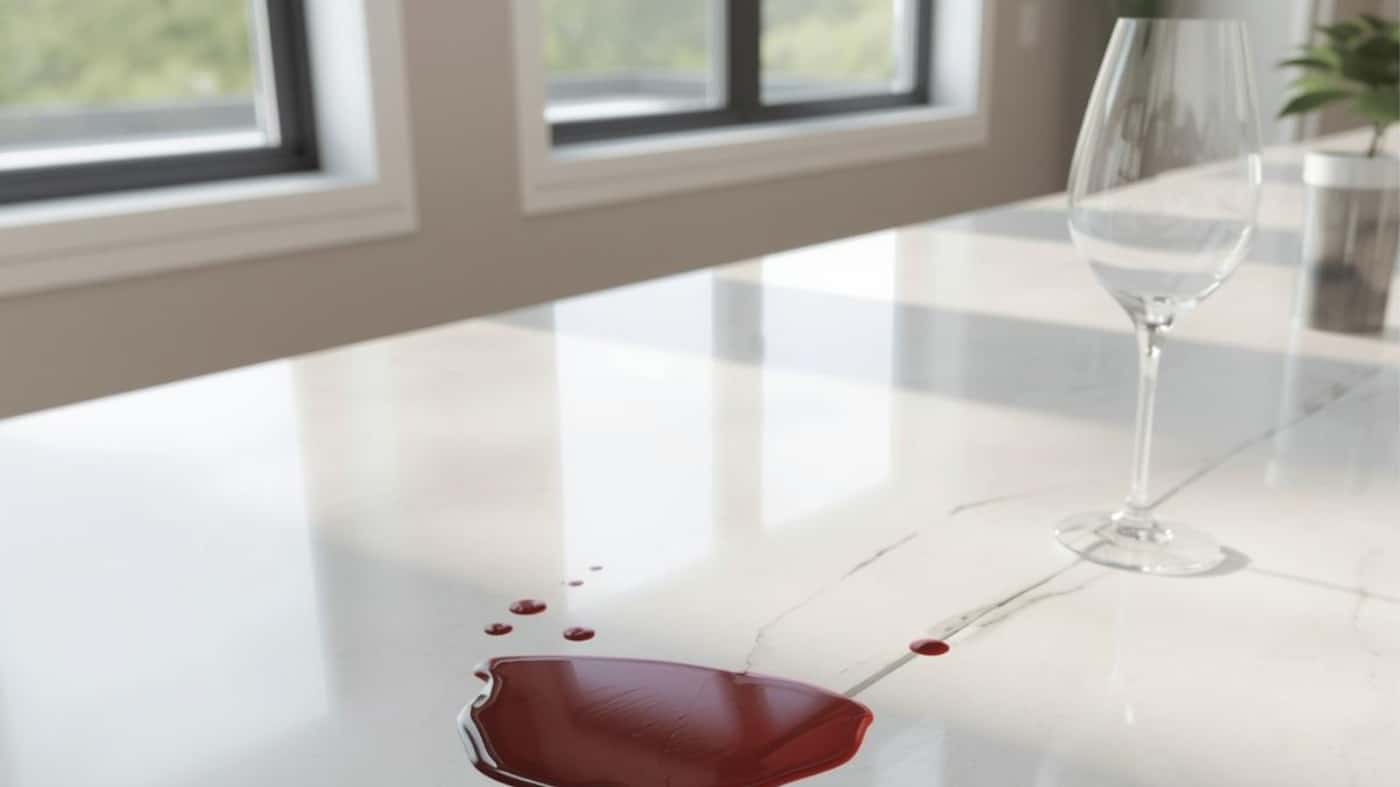
Granite is a natural stone with a crystalline mineral structure that includes microscopic pores. Without a penetrating sealer filling those pores, liquids including cooking oil, red wine, and coffee can soak in and bond with the stone, creating stains that surface cleaning cannot address.
Engineered quartz countertops are manufactured with polymer resins that eliminate surface porosity entirely. The non-porous character of quartz is built into the material and does not require maintenance. Granite works differently, and regular sealing is what keeps it performing at its best through Wisconsin seasons.
seal granite how often New Berlin WI
How Often Should You Seal Granite in New Berlin?
- Light-colored or high-porosity granites such as whites, creams, and pale grays: seal every 6 to 12 months
- Standard-density granites in browns, blacks, and medium tones: seal once per year
- Dense, low-porosity granites such as absolute black varieties: seal every 2 to 3 years or as the water test indicates
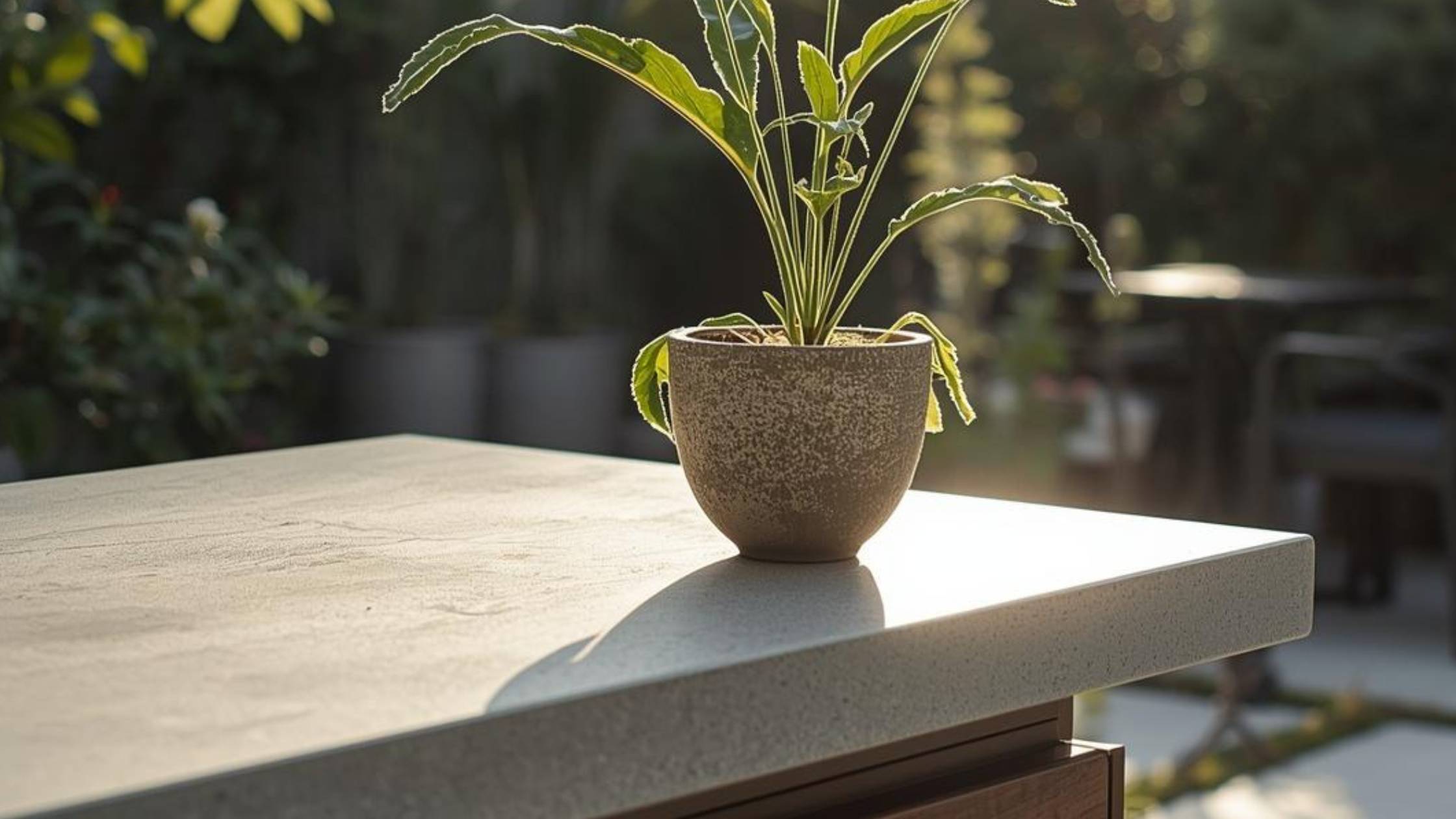
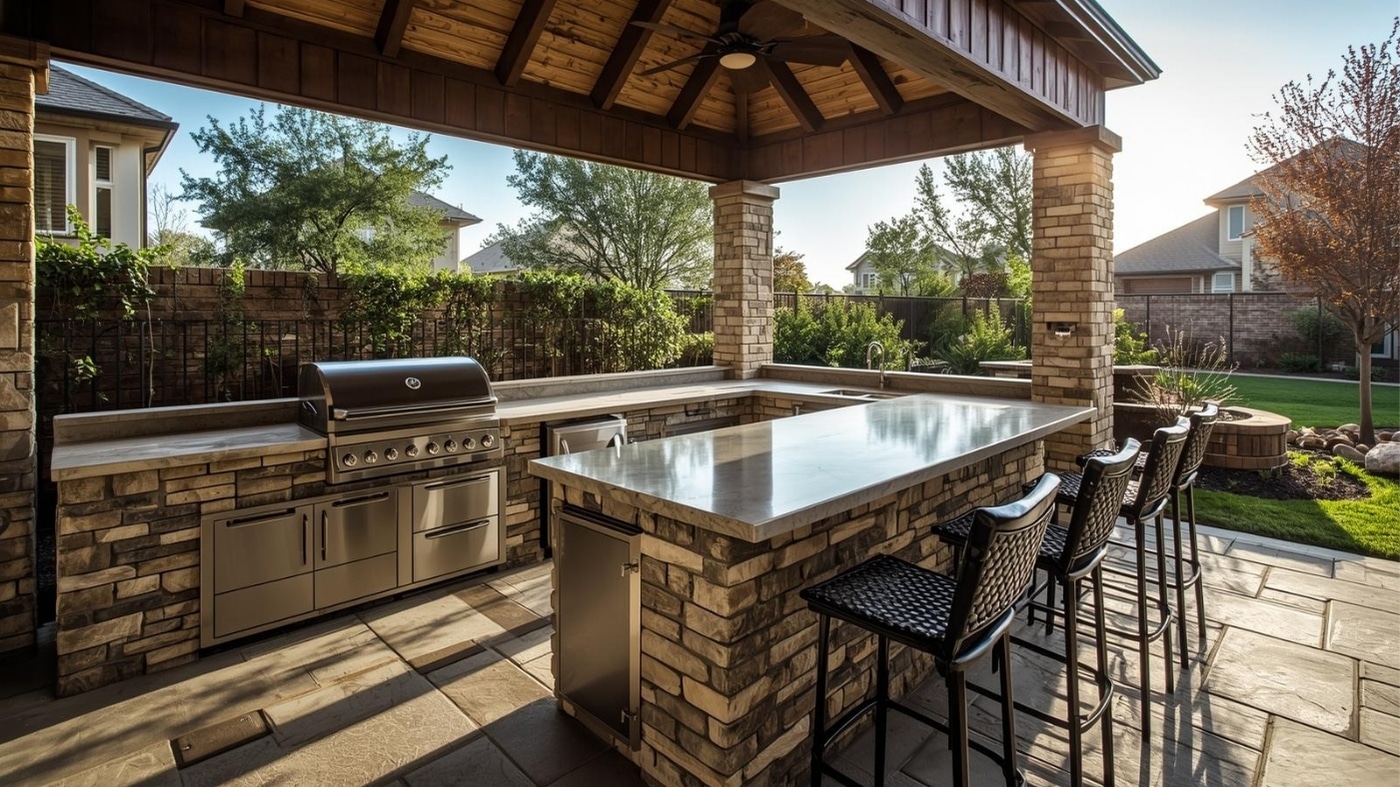
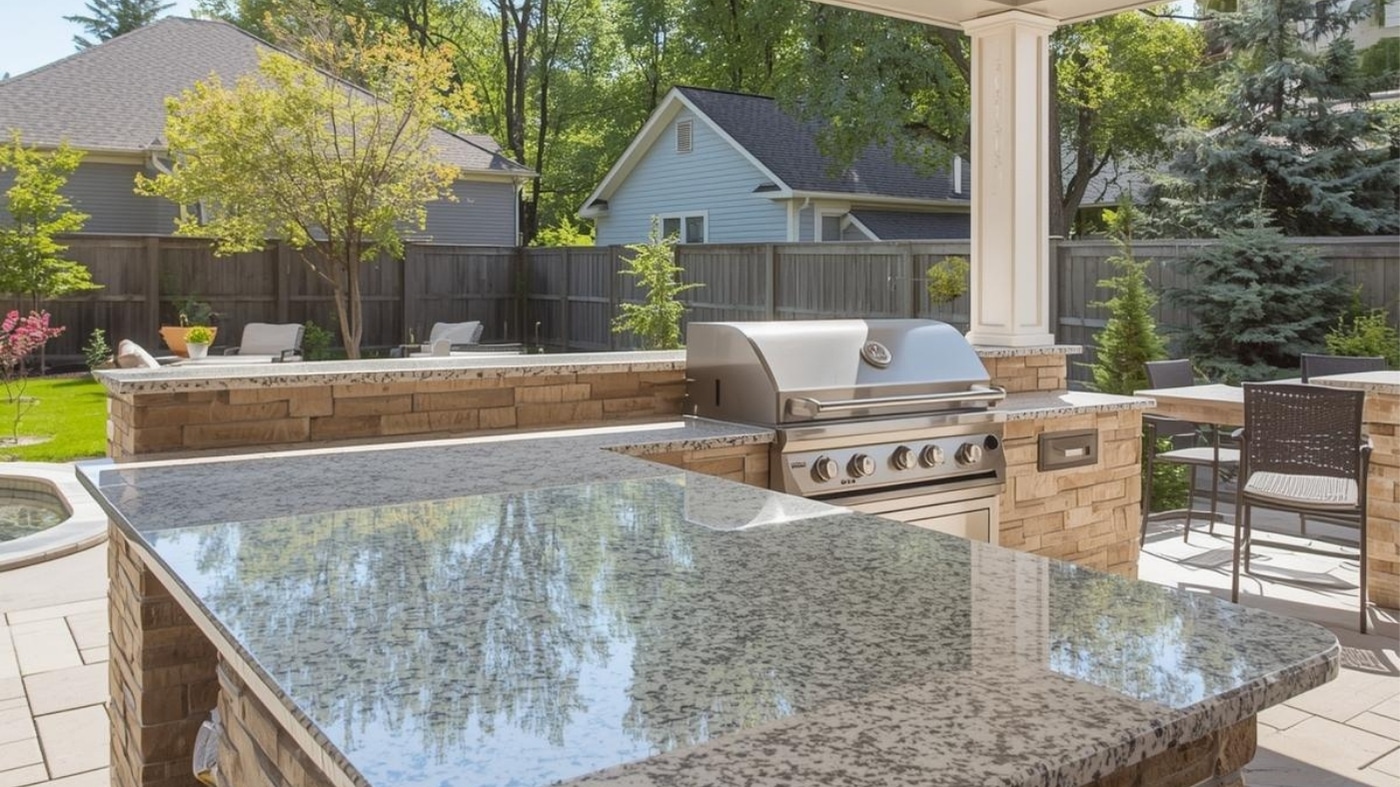
For outdoor granite in New Berlin, the timing of that annual seal matters significantly. Sealing before winter temperatures arrive is the most important granite maintenance step in Wisconsin. A fully sealed surface prevents water infiltration that causes freeze-thaw cracking. Plan the outdoor seal for early fall before temperatures regularly drop below freezing.
The Water Drop Test: The Most Reliable Way to Check
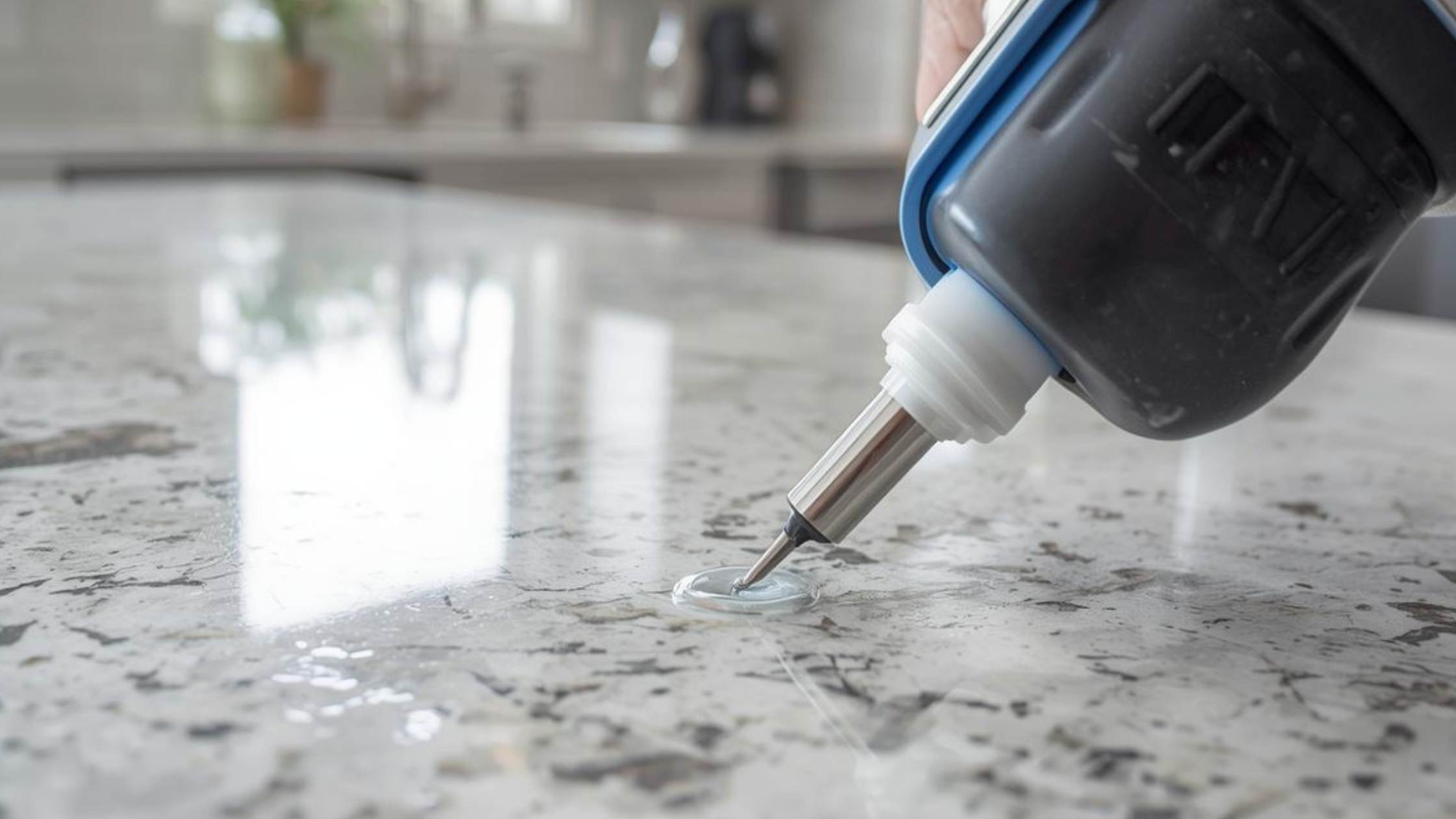
- Place a tablespoon of water directly on the granite surface and leave it undisturbed
- Check at 10 minutes and again at 30 minutes
- If water holds a rounded bead shape after 30 minutes, the sealer is working correctly
- If water has flattened, spread, or begun to absorb, the sealer is thinning
- If the stone darkens beneath the water or absorption is visible within minutes, sealing is overdue
Run this test near the sink, in the cooktop zone, and on all outdoor granite. For outdoor granite specifically, run the test in late August or early September to ensure the surface is ready before New Berlin’s winter approaches.
Step-by-Step: How to Seal Your New Berlin Granite
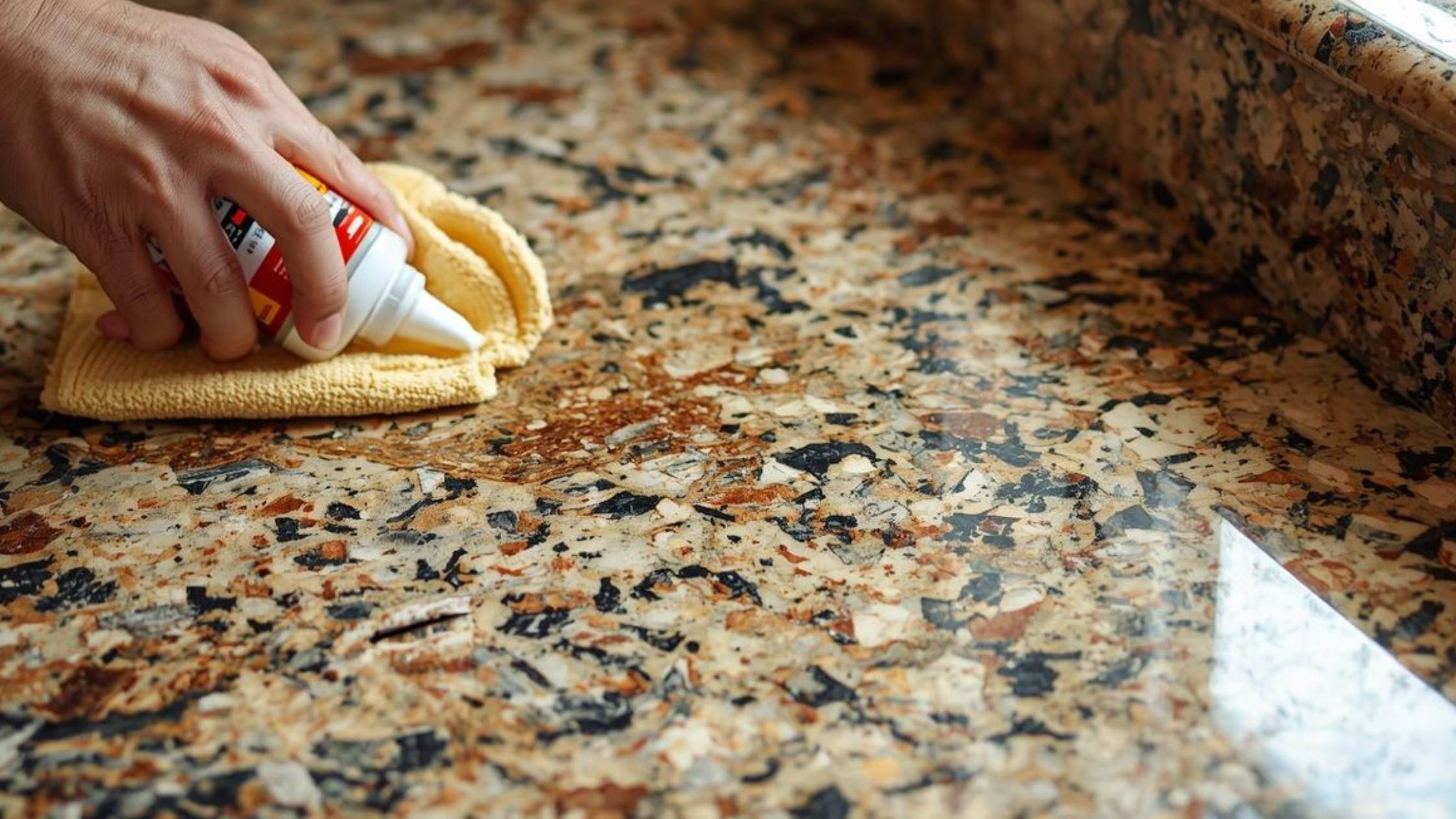
- Step 1: Clean the surface with a pH-neutral stone cleaner and warm water. Remove all cooking residue, soap film, and surface oils. Allow the stone to dry completely for at least one to two hours. Sealer applied over any moisture will not penetrate or adhere correctly.
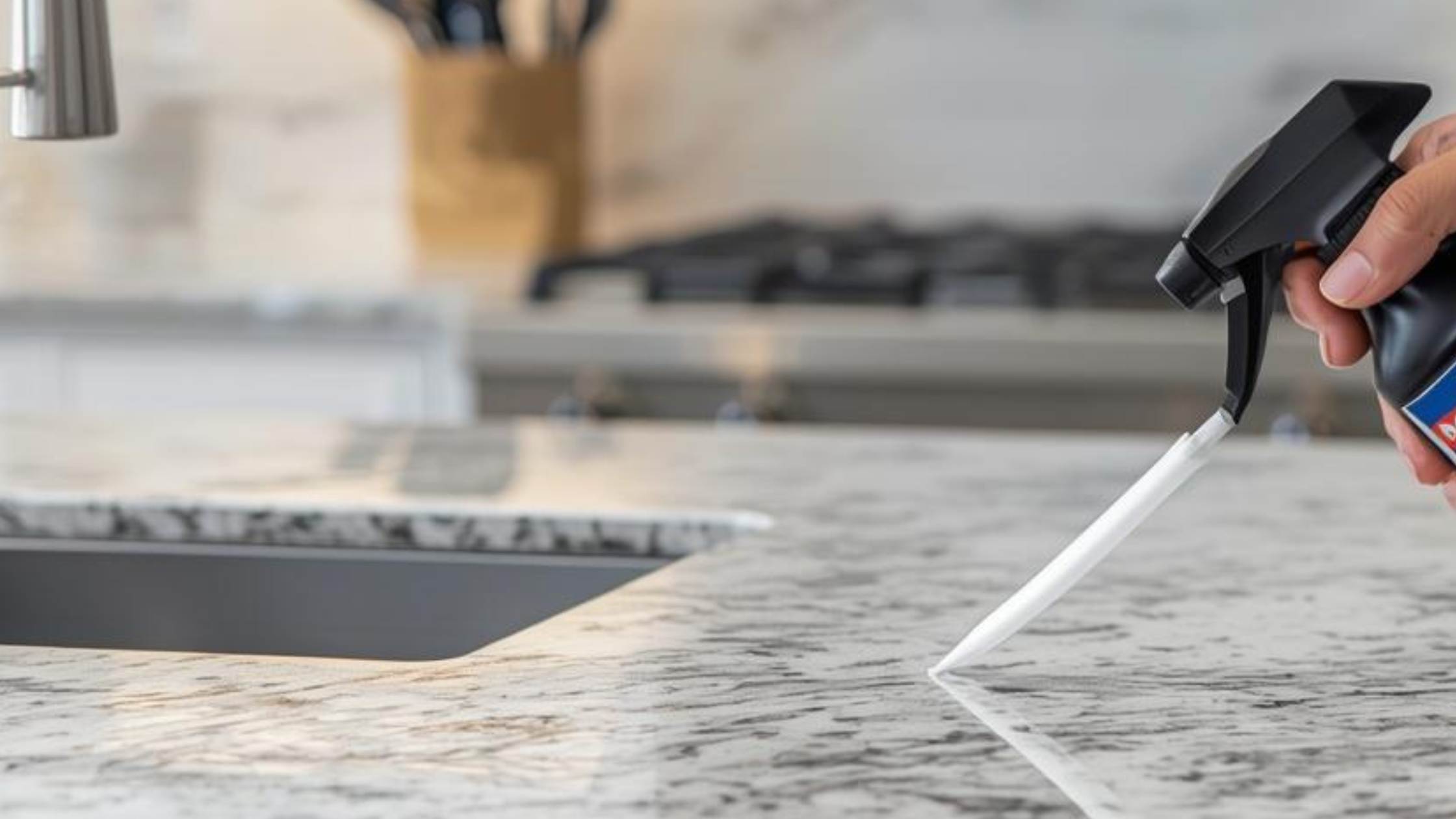
- Step 2: Apply a penetrating impregnating sealer formulated for granite or natural stone. Use a spray bottle or soft cloth and apply a thin, even coat. Work in manageable sections.
- Step 3: Allow penetration time per the product label, typically 10 to 20 minutes.
- Step 4: Buff off all remaining sealer with a clean dry cloth before it fully dries on the surface. Dried sealer leaves a hazy film.
- Step 5: Allow 24 hours before normal use and 48 hours before heavy water exposure near the sink or outdoor areas.
For higher-porosity granite, a second coat applied while the surface is still slightly tacky from the first improves coverage depth and longevity. Check the product label for second coat timing.
What Accelerates Sealer Wear in Wisconsin
- Cleaning with acidic products including vinegar and citrus-based cleaners
- Heat cycling near the cooktop zone in an active Wisconsin winter kitchen
- Outdoor granite exposed to New Berlin’s freeze-thaw cycling without annual fall resealing
- High-volume kitchen use with multiple cleanings per day
- Abrasive cleaning pads or tools used on the stone surface
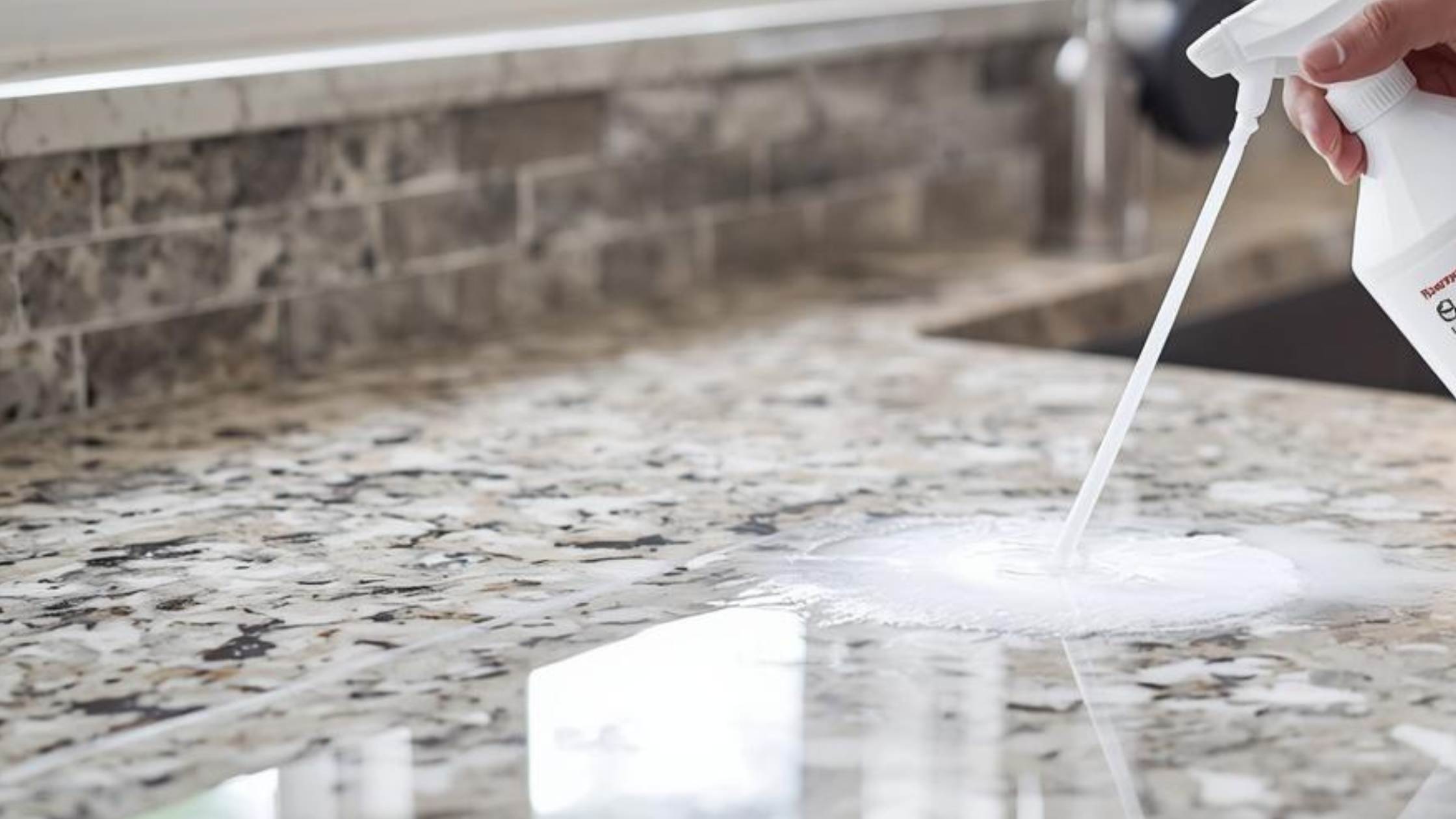
how to test if granite needs sealing
Frequently Asked Questions
Is a standard hardware store sealer adequate for Wisconsin granite?
Look specifically for a penetrating impregnating sealer formulated for granite or natural stone. Topical sealers that coat the surface rather than penetrating it wear away quickly in kitchen conditions and leave an unnatural glossy residue. A quality penetrating sealer applied correctly is all that is needed.
What happens if I skip the fall outdoor granite sealing in New Berlin?
Unsealed outdoor granite entering a Wisconsin winter is at meaningful risk. Water that penetrates unsealed stone pores expands when it freezes, and repeated freeze-thaw cycling can cause cracking or surface spalling over time. The fall sealing is not optional for outdoor granite in New Berlin’s climate.
Does indoor granite in New Berlin need the same attention as outdoor granite?
Indoor granite follows the standard sealing schedule based on stone porosity and kitchen use. It does not face Wisconsin’s freeze-thaw risk. High-moisture indoor zones such as the sink area benefit from the water drop test twice per year. The outdoor granite requires that additional step of fall timing for the sealing schedule.
Granite Questions? Talk to Granite Plus in New Berlin
Whether you are caring for existing granite countertops or planning a new kitchen or bathroom project in New Berlin, our team is here to help. Find us on Google Maps or contact us to visit our New Berlin, WI showroom.